The Insider Guide to Morocco
Getting a Morocco trip right takes more than a list of must-sees — it means knowing which region suits which time of year, how the distances between places actually work, and where the tour buses haven’t reached yet. That’s the kind of detail Rosa and the team have built up over years of returning to the same medinas, mountains and coastlines, and it’s what shapes everything below: where to focus, when to travel, and what’s worth knowing before you go.
Choosing Your Part of Morocco
Morocco is more varied than most first-time visitors expect, and that variety is part of what makes it worth more than a week.
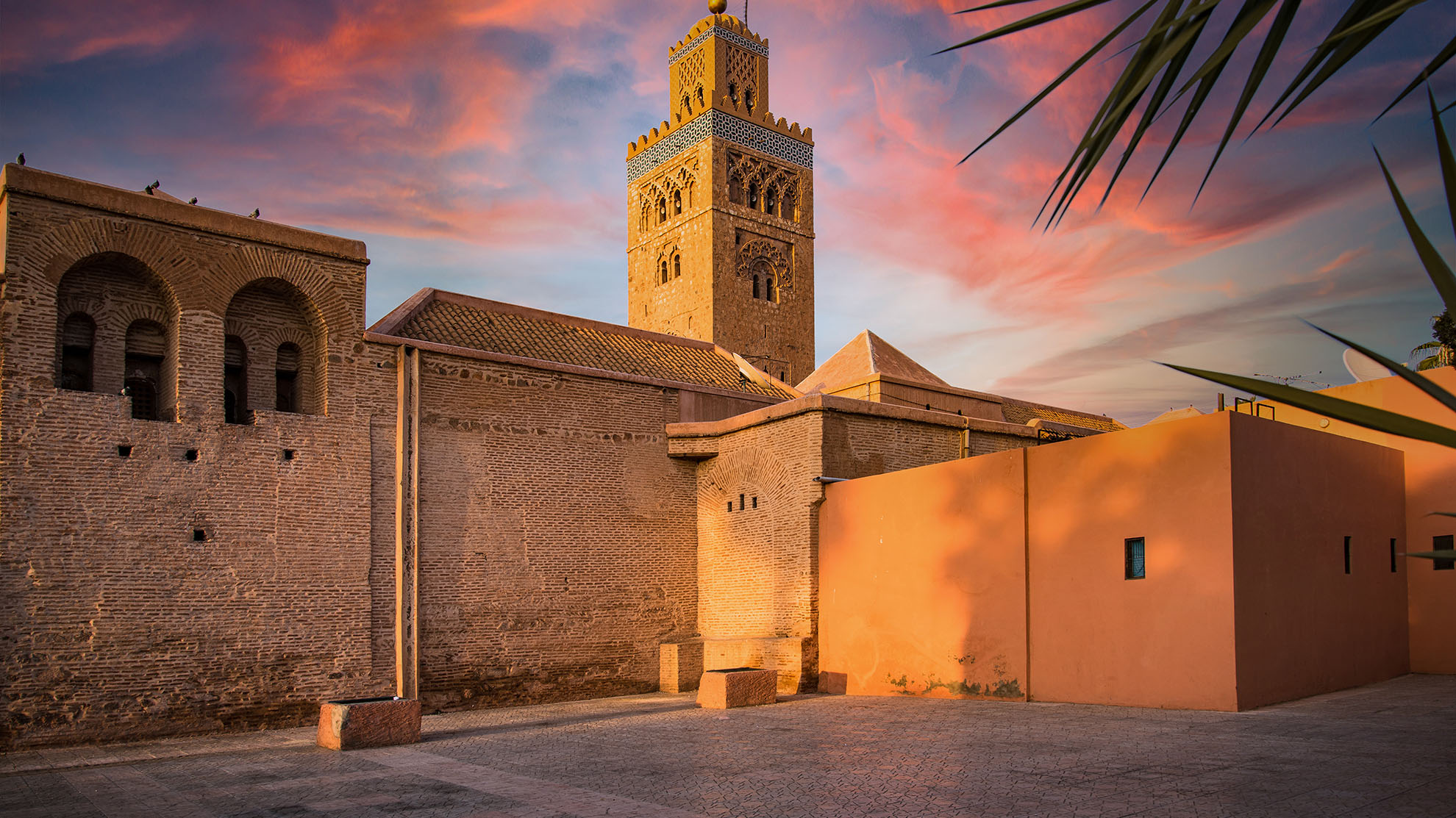
Marrakech is where most trips begin, and with reason. The Djemaa el-Fna square shifts in character every few hours — a food market in the morning, a theatre of storytellers and musicians at dusk — and the medina behind it has neighbourhoods that reward an afternoon of getting deliberately lost. But Marrakech also makes a useful base: the High Atlas is an hour’s drive into the mountains, the Ourika Valley is just south, and Essaouira — a whitewashed Atlantic port with a distinct Gnawa music culture and one of Morocco’s best fish markets — is three hours west.
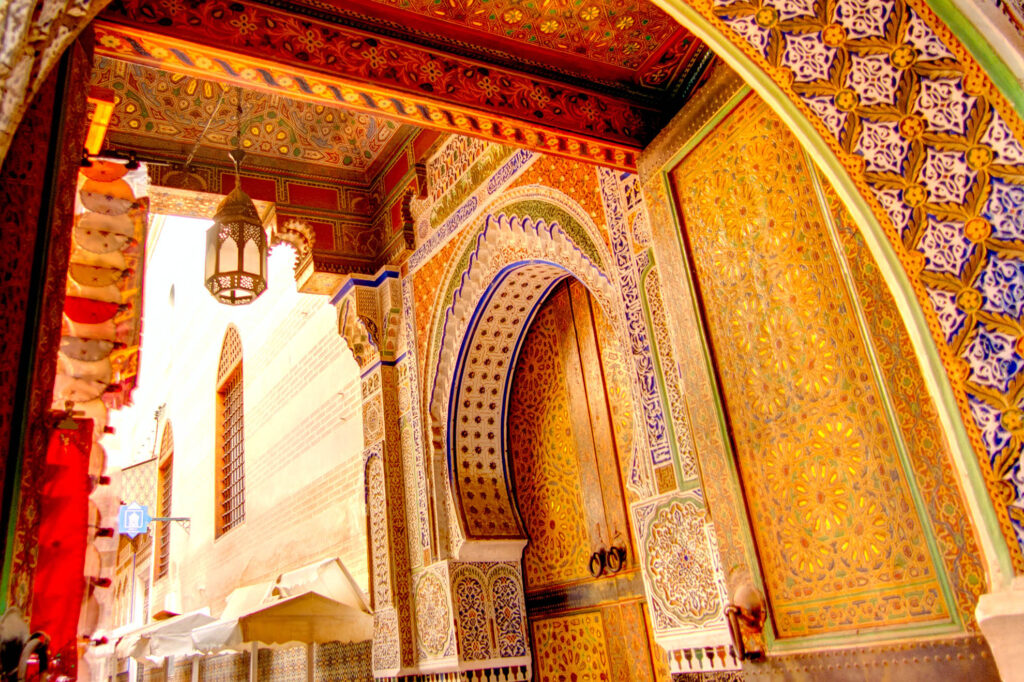
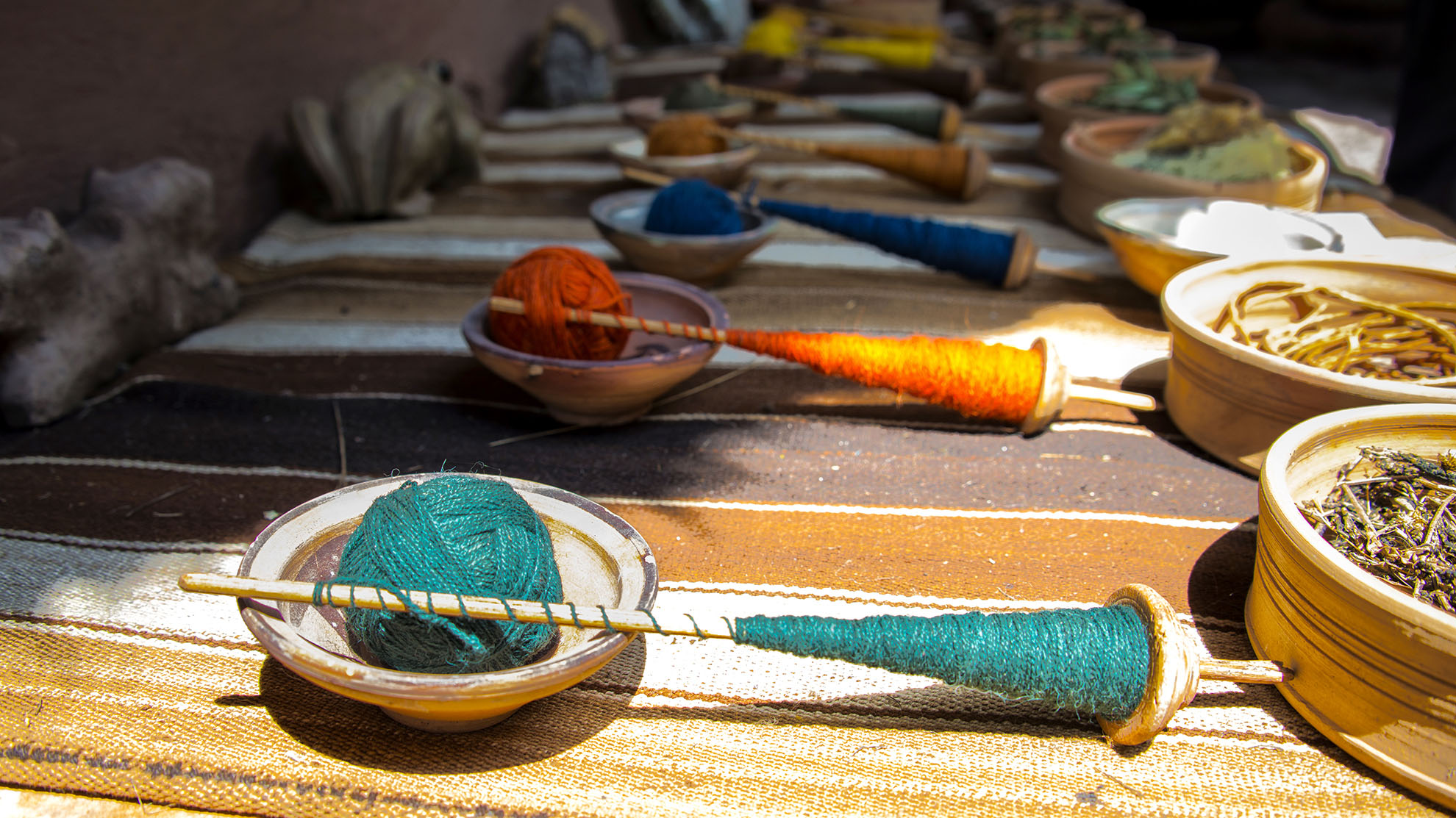
Fes is the place that stops most travellers in their tracks. Fes el-Bali, the medieval medina, is a Unesco World Heritage site and one of the world’s largest living car-free urban areas — a 13th-century city that still functions largely as it always has, with tanneries, copper-beaters, zellige tile workshops and medersa courtyards that seem to go on forever. The chaos is real but so is what’s underneath it, and a good guide makes the difference between confusion and revelation.
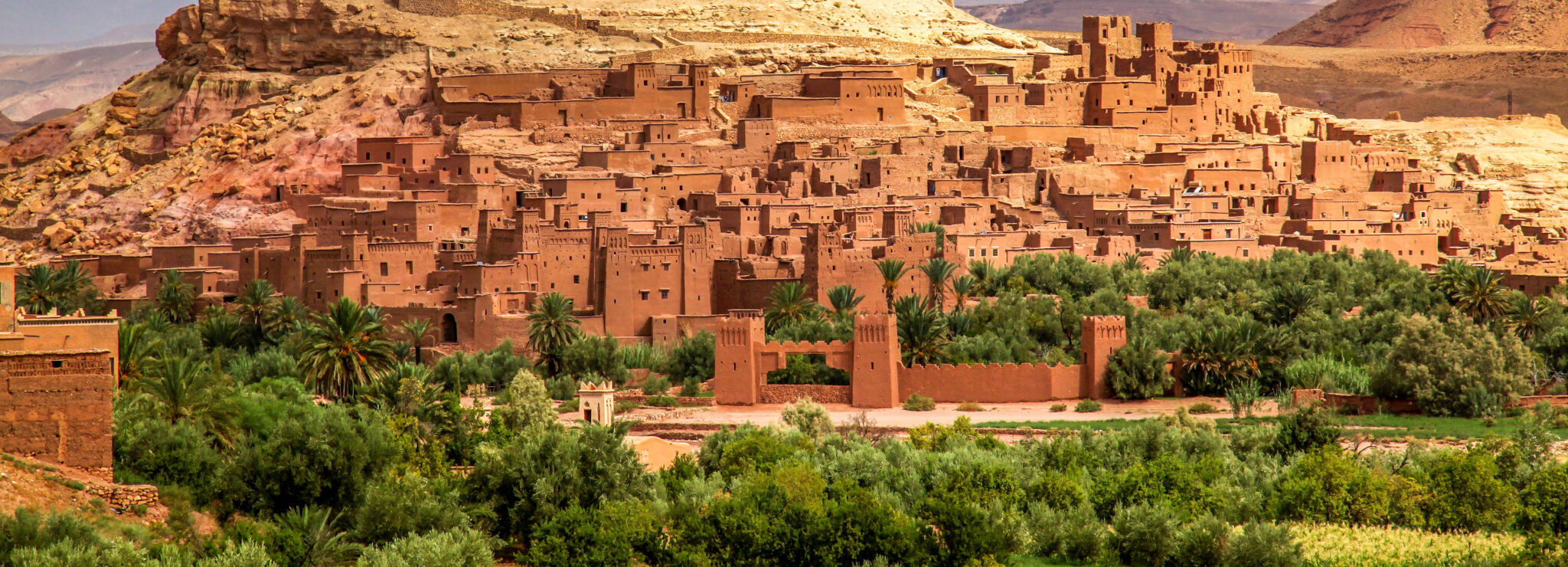
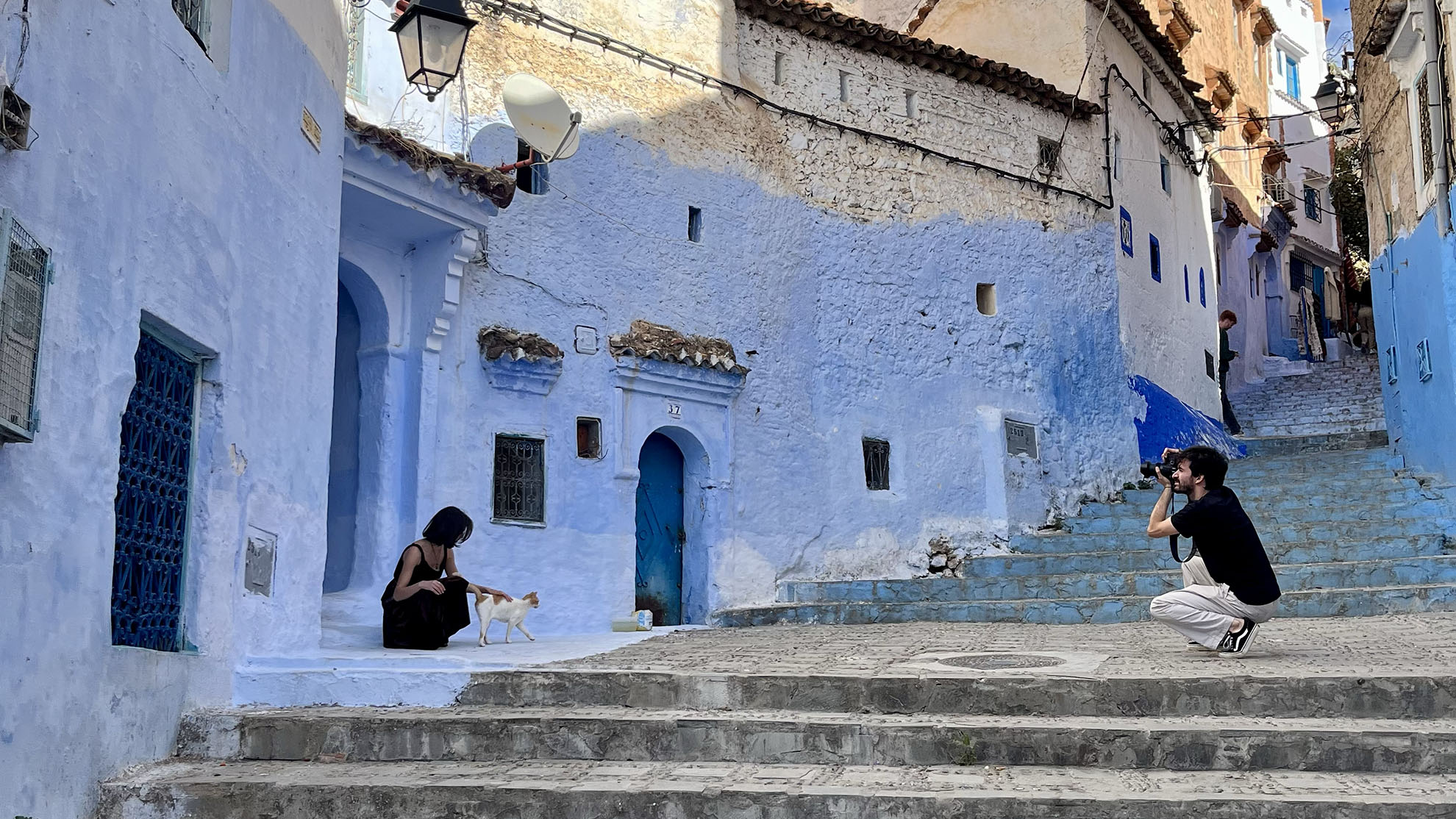
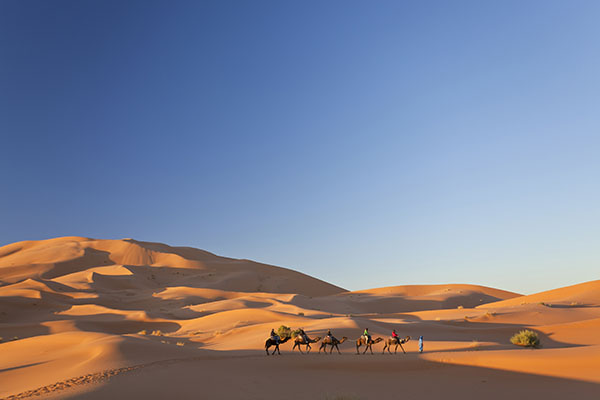
Further north, Chefchaouen is the blue-painted mountain town the photographs can’t quite do justice: built into the Rif Mountains, winding and quiet, with a pace that suits travellers who’ve been moving quickly and need to stop. Tangier, at the tip of Africa looking across to Spain, has a literary and artistic history — Bowles, Matisse, Burroughs — that gives it an atmosphere unlike anywhere else in Morocco. In the south, the Draa Valley runs through palmeries and oasis towns toward the Sahara, passing kasbahs that predate the tourist industry by several centuries.
When to Travel to Morocco
Spring and autumn are the most comfortable seasons for most of the country — March through May and September through November — when temperatures are warm without being punishing and the crowds are manageable. Spring brings wildflowers to the Atlas valleys and almond blossom to the pre-Saharan south. Autumn has the clearest desert skies.