

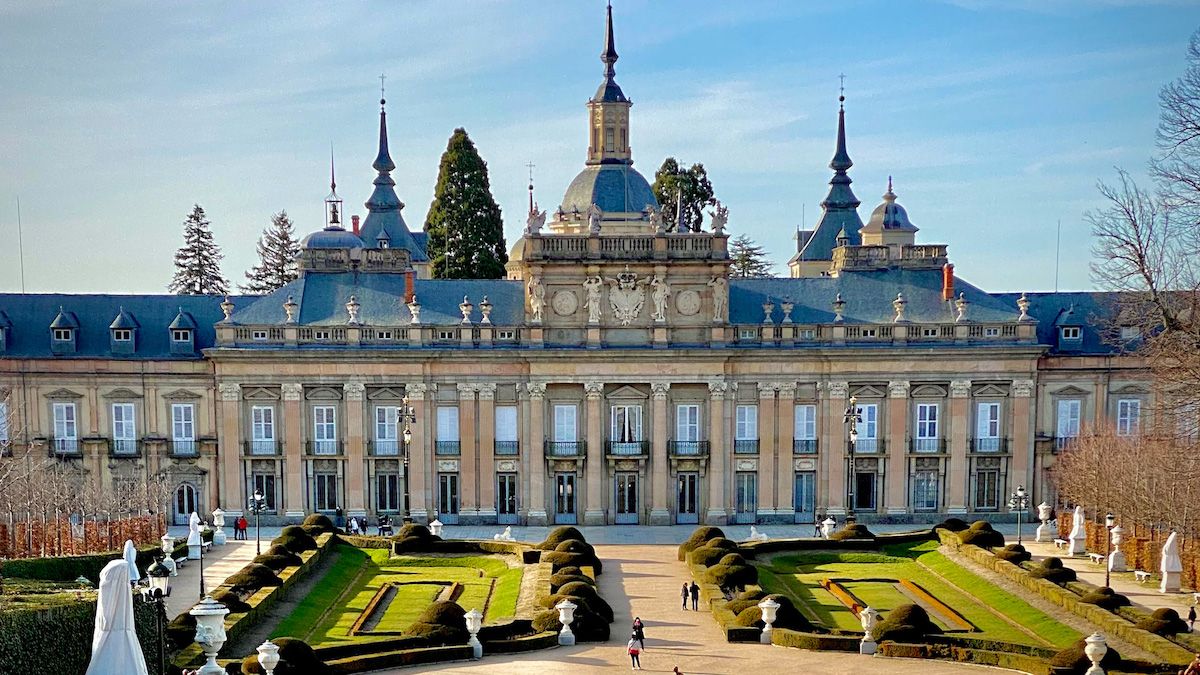
03 Sep 7 of the Most Stunning Spanish Palaces
Updated September 2026
Spain is home to some of Europe’s most magnificent palaces, where royal ambition, Moorish influence and aristocratic grandeur combine to create unforgettable landmarks. From historic residences in Madrid and Seville to elegant estates in Segovia, Santander and Aranjuez, these remarkable buildings offer a fascinating glimpse into Spain’s past as well as its architectural richness.
In this guide, we’ve selected seven of the most stunning Spanish palaces to visit, each with its own story, style and sense of place. Whether you’re drawn to ornate interiors, manicured gardens or centuries of royal history, these palaces deserve a place on any Spain trip. Contact Just Explore when you’re planning your holiday and we’ll happily weave some into your customised itinerary.
7 Stunning Spanish Palaces
1. Palacio de Liria, Madrid
Located on Calle de la Princesa in the heart of the capital, the Palacio de Liria is the official Madrid residence of the House of Alba, one of Spain’s most historic noble families.
In September 2019, the Albas finally threw open their doors to the public, welcoming visitors to explore their remarkable private art collection. It’s packed with memorable works by masters such as Goya, Titian, Rubens, Veláquez, Zurbarán and El Greco, along with sculptures, furniture and tapestries. You can also visit the historic library, home to treasures including a first edition of Don Quixote, letters from Christopher Columbus, and rare documents linked to Spanish royal history.
Built between 1767 and 1785 in refined Neoclassical style, Liria remains a functioning private residence, which adds to its exclusive appeal. If you’re looking for royal palaces in Spain beyond the obvious sights, this majestic treasure trove is a rewarding stop to add to your itinerary.

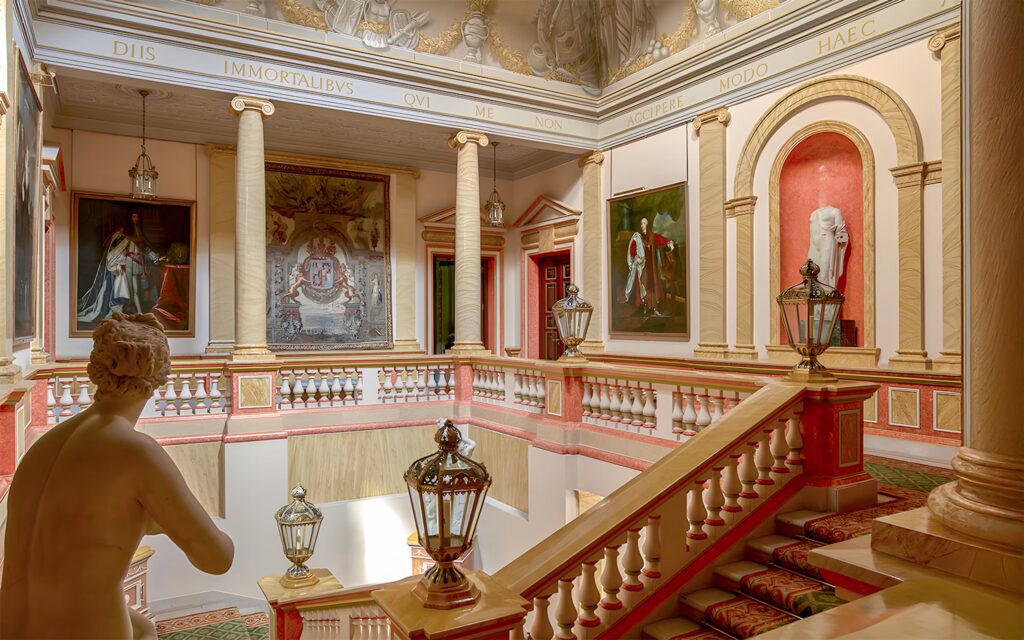

2. Palacio Real, Madrid
The Royal Palace of Madrid (Palacio Real) is one of the most famous Spanish palaces and the official residence of the Spanish royal family. No longer their main home, it’s now used for state ceremonies and official events. When not hosting dignitaries, this grand 18th-century palace opens its doors to visitors, offering a glimpse of regal life through richly decorated state rooms, banqueting halls, and collections of art, tapestries and porcelain.
The palace stands on the site of the former Alcázar of Madrid, a medieval fortress-turned-royal-residence that was destroyed by fire in 1734. Philip V ordered the construction of the new royal palace, inspired by Italian Baroque architecture. With over 3,400 rooms, it’s the largest palace in Western Europe and one of the largest in the world, with highlights including the Royal Armoury, Royal Chapel, royal kitchens, and the private rooms of King Charles III.
Outside, the vast courtyard and elegant facades are equally impressive, with views stretching across the surrounding parks and gardens. Whether you tour the interiors or simply admire it from Plaza de Oriente, the Palacio Real is an unmissable addition to any itinerary featuring royal palaces in Spain.


3. Palacio de las Dueñas, Seville
Tucked into the historic centre of Seville, Palacio de las Dueñas is a graceful noble residence belonging to the House of Alba. Known locally as Casa de Alba, this intimate palace has welcomed European royalty, aristocrats and artists for centuries, and was the birthplace and childhood home of the poet Antonio Machado. It finally opened its doors to the public in 2016.
The ornate architecture of the Palacio de las Dueñas blends Gothic, Mudéjar and Renaissance influences, making it one of the most atmospheric Moorish palaces in Spain. With its vibrant yellow façade, tiled arcades, fountains and orange-scented courtyards, it feels a world away from the grand royal palaces of Madrid.
Inside, visitors can wander through intimate salons, a private chapel, and rooms lined with family portraits, tapestries, antiques and more than a thousand works of art. The real charm, however, lies in its romantic courtyards and lush gardens, which feel like a secret oasis in the heart of the city.


4. Real Alcázar, Seville
The Real Alcázar (Royal Alcázar) is widely regarded as one of the most famous Spanish palaces and the oldest royal palace in Europe still in use. Originally a Moorish fortress, it has evolved for more than eleven centuries, layering Islamic, Mudéjar, Gothic and Renaissance styles into a single, extraordinary complex. Today, the Cuarto Real Alto (Upper Royal Quarters) still serves as a royal residence, while the rest of the palace and gardens are open to visitors.
The highlight for many is Pedro I’s 14th-century Mudéjar palace, often described as one of the finest Moorish palaces in Spain, with jewel-like courtyards, carved stucco and intricate tilework. Don’t miss the Patio de las Doncellas, the Hall of Ambassadors and the Gothic Palace, where ornate tapestries recall Spain’s imperial past.
Outside, acres of lush, formal gardens, hidden fountains and shaded walkways create a cool oasis beyond the palace walls. Part of Seville’s UNESCO World Heritage complex, the Real Alcázar is one of the most stunning royal palaces in Spain and an essential stop on any Seville itinerary.


5. Palacio Real de la Granja de San Ildefonso, Segovia
Set amid pine forests at the foot of the Sierra de Guadarrama, the Palacio Real de la Granja de San Ildefonso is just 11 kilometres from Segovia, but feels a world away. Philip V fell in love with this former monastic estate and transformed it into his favourite summer retreat. Today, it’s one of the most elegant royal palaces in Spain, combining baroque architecture with bucolic views of the surrounding countryside.
Often described as a ‘Spanish Versailles’, La Granja is famed for its richly decorated halls and vast formal gardens, designed by architects and gardeners from the French court. Marble sculptures, mythological fountains and long avenues create a scenic backdrop that rivals many other Spanish palaces.
While the sumptuous interiors are a delight for art lovers, it’s the landscaped gardens that really steal the show with 26 monumental fountains fed by an ingenious gravity system and activated on selected days throughout the season – a display that dazzles visitors.


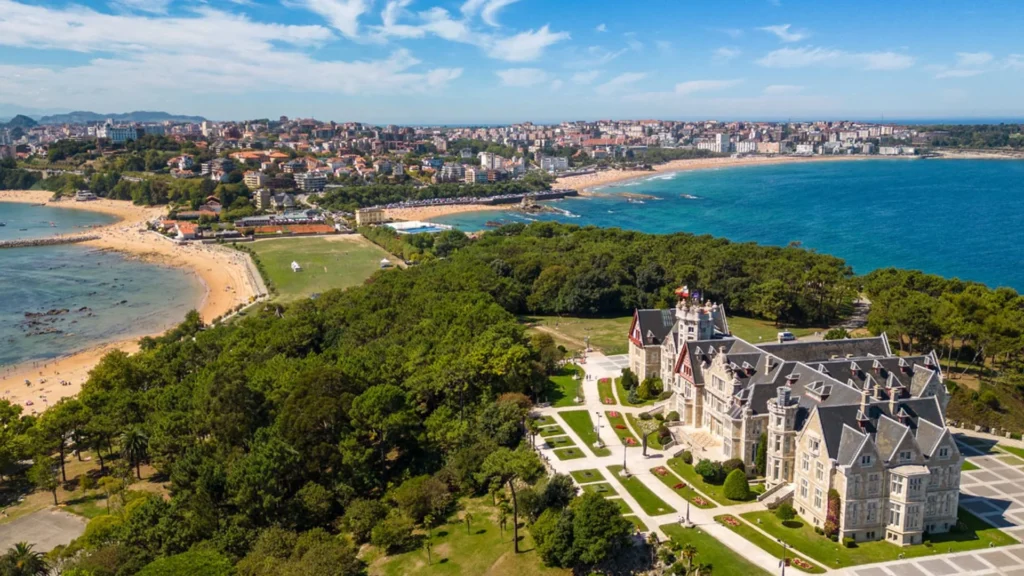
6. Palacio de la Magdalena, Santander
Perched at the highest point of the Magdalena Peninsula, the Palacio de la Magdalena is an emblematic building in Santander and one of the standout Spanish palaces in northern Spain. Built between 1908 and 1912, it was gifted by the city to King Alfonso XIII and Queen Victoria Eugenia, who used it as a summer residence until 1930.
Today, the palace functions as a summer campus for the Menéndez Pelayo International University, and hosts congresses, events and weddings. But you can visit on a guided tour to see richly decorated salons, a grand staircase, and period furniture, paintings and photographs that evoke the golden age of royal summers in Santander.
The palace is surrounded by extensive, verdant gardens which are open to the public year-round, so you can stroll along cliff-top paths and admire far-reaching views over the beaches, bay and Atlantic.


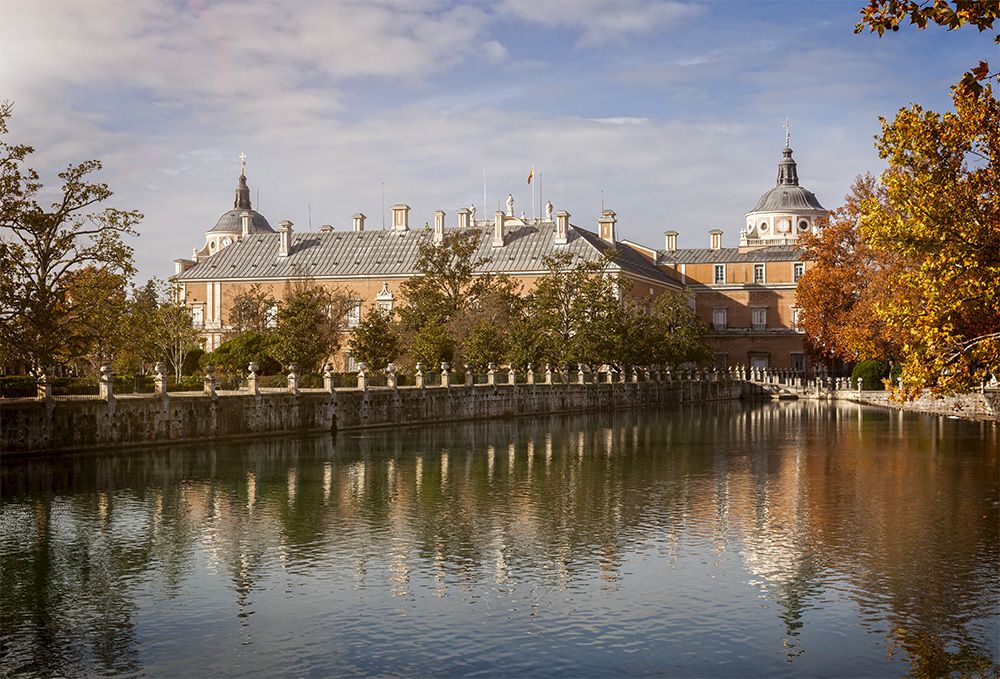
7. Palacio Real de Aranjuez, Aranjuez
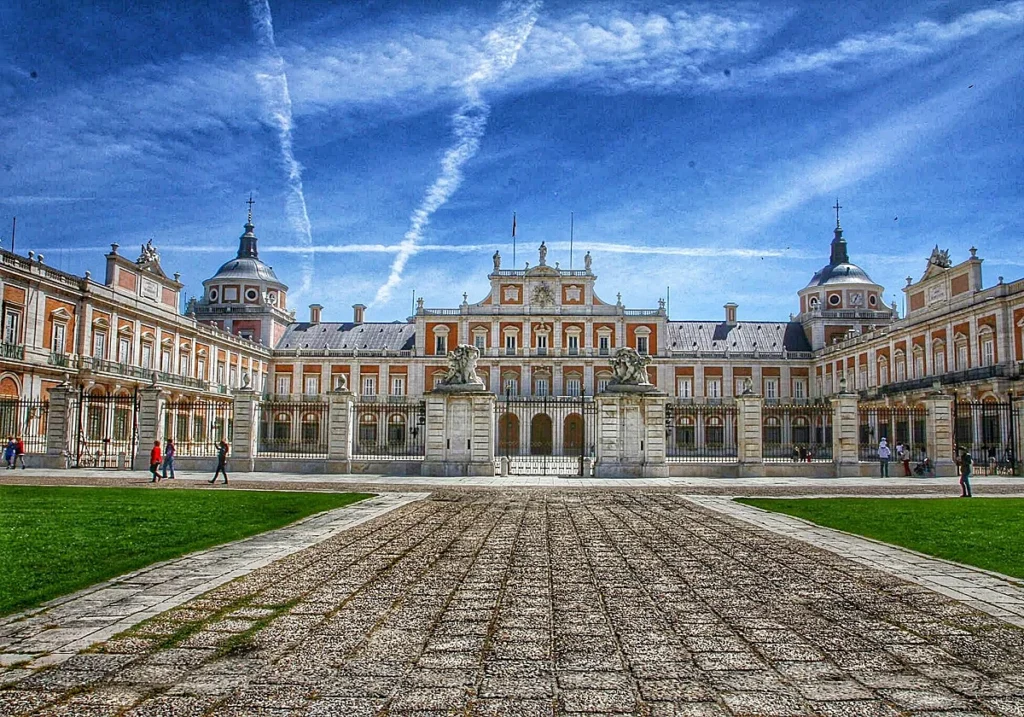
Set on a fertile plain at the confluence of the Tagus and Jarama rivers, the Palacio Real de Aranjuez is one of the official royal palaces in Spain, and the historic spring residence of the Spanish royal family. First commissioned by Philip II in the 16th century and completed under later Bourbon kings, it blends Renaissance, Baroque and Neoclassical elements into a harmonious riverside showpiece.
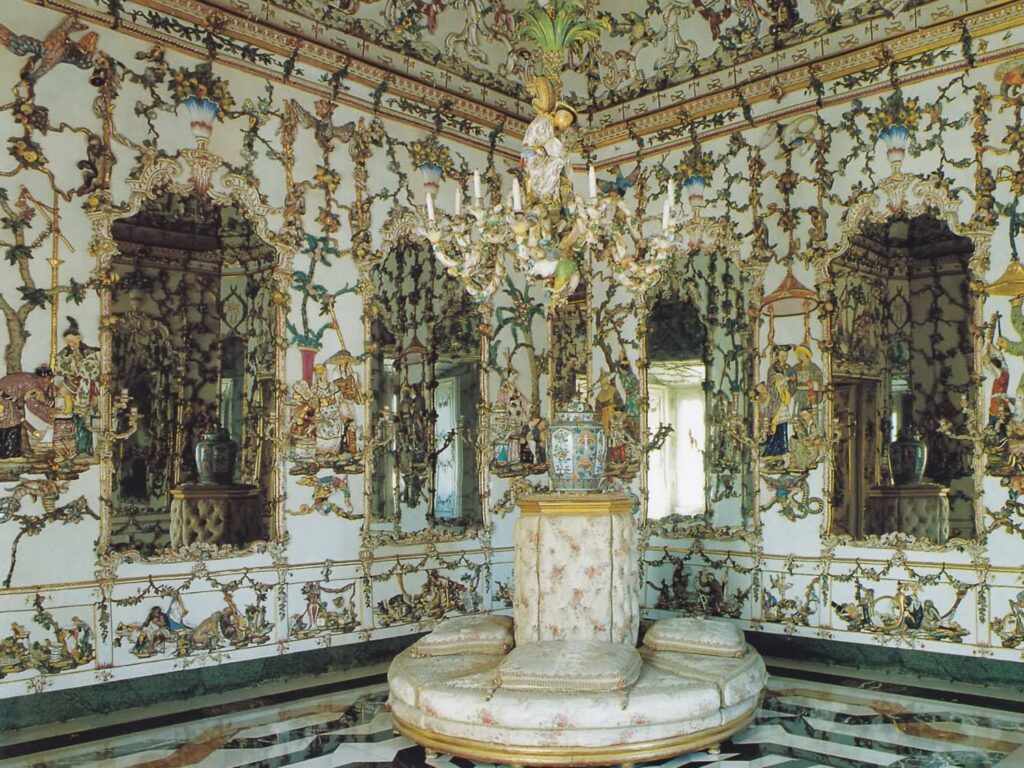
Inside, visitors can explore opulent state rooms and lavish chambers including the Rococo Porcelain Cabinet, the exotic Arab Cabinet and the Throne Room. Period furniture, paintings, tapestries, private royal chambers and the extraordinary Royal Chapel bring centuries of royal ceremony and everyday life into focus.
Outside, terraces and formal gardens unfold in a sequence of leafy avenues, manicured lawns and water features. Part of the UNESCO-listed Aranjuez Cultural Landscape, the Island Garden, Parterre and the sprawling Prince’s Garden take their cue from Versailles, with elegant geometric layouts and ornamental fountains. They also showcase an astonishing diversity of trees and plants, including exotic species introduced during Spain’s imperial age.
Discover Spanish Palaces with Just Explore
Inspired to experience these stunning Spanish palaces in real life? Contact Just Explore to discuss your dream itinerary. From small group tours to Andalucia, home to spectacular Moorish palaces, to customised itineraries of Spain tailored to your desires and budget, we’ll design a trip that fits you perfectly. Discover Spain’s architectural heritage and royal history, complemented by off-the-beaten-track experiences and authentic food and wine.